At CADCA’s Mid-Year Training Institute, Addiction Counselor Brian Dolan, MHC, CRC, shared that the gambling landscape has changed so dramatically in the last five years that if he struggled with problem gambling today, he likely wouldn’t have survived it.
Dolan is a man in recovery from gambling addiction and a peer support counselor who runs a practice serving people from across the country. He’s also a Board Member of the Connecticut Council on Problem Gambling, and his story offers prevention professionals a critical wake-up call.
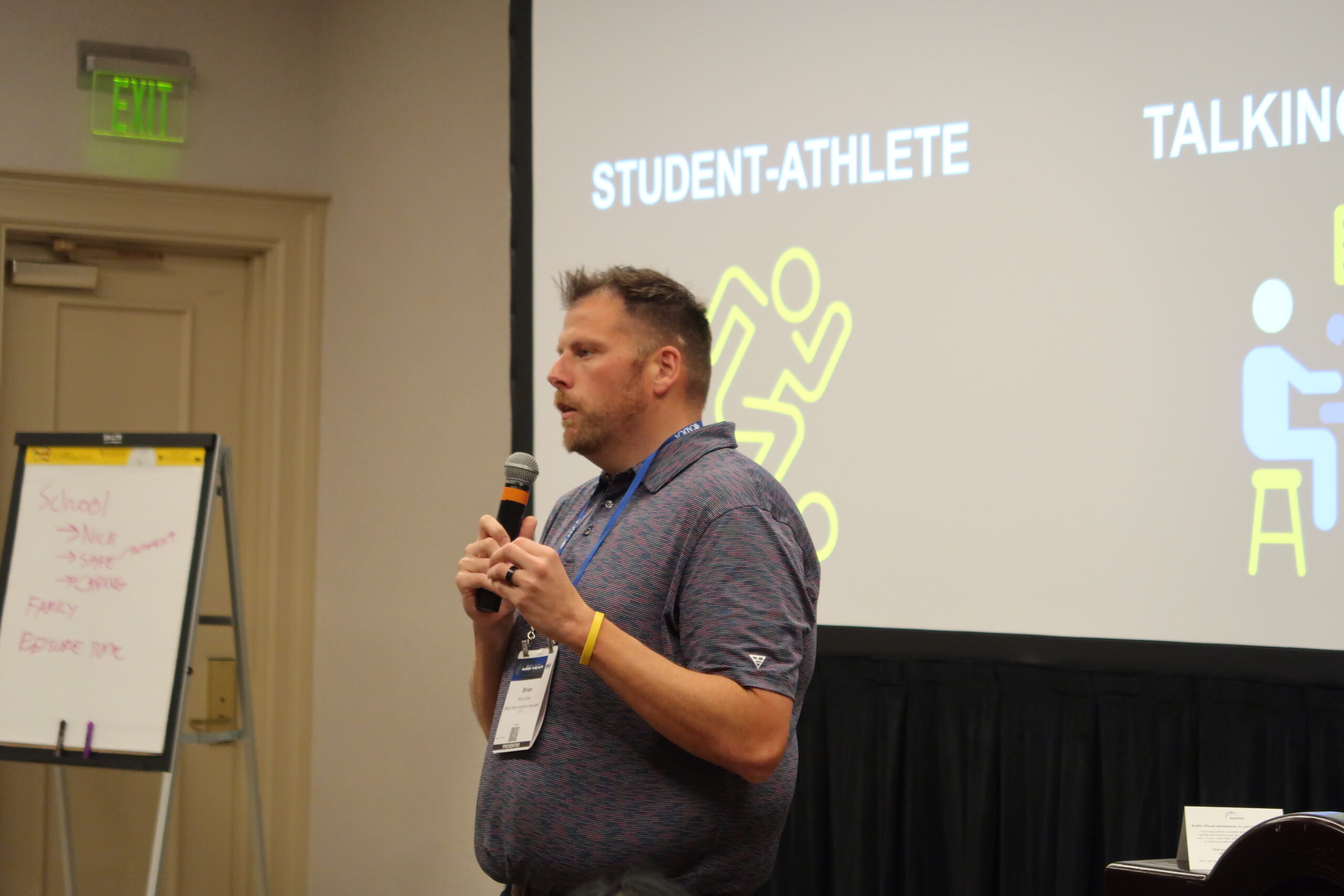
Dolan’s path to problem gambling started like many others, as a kid who loved sports. He grew up in Western Massachusetts where sports were his identity. His father coached him, and everyone around him signed off on his sports obsession. When his parents went through a difficult divorce in high school, Dolan didn’t know he could seek help and instead slid toward gambling.
What started as a college habit, betting with friends and local bookies, escalated when Dolan moved to Manhattan after college. He went from betting a few hundred dollars to thousands. He lied to his family about money. Bookies showed up asking for payment. His parents eventually got him into treatment, but when he was sent to a sober house, he didn’t fully commit. He relapsed.
The turning point came when his parents stopped bailing him out emotionally and financially. Suicidal ideation scared Dolan enough to do real recovery work. In 2016, after getting his Master’s degree in mental health counseling and managing a sober house at Fairfield University, he made his last bet.
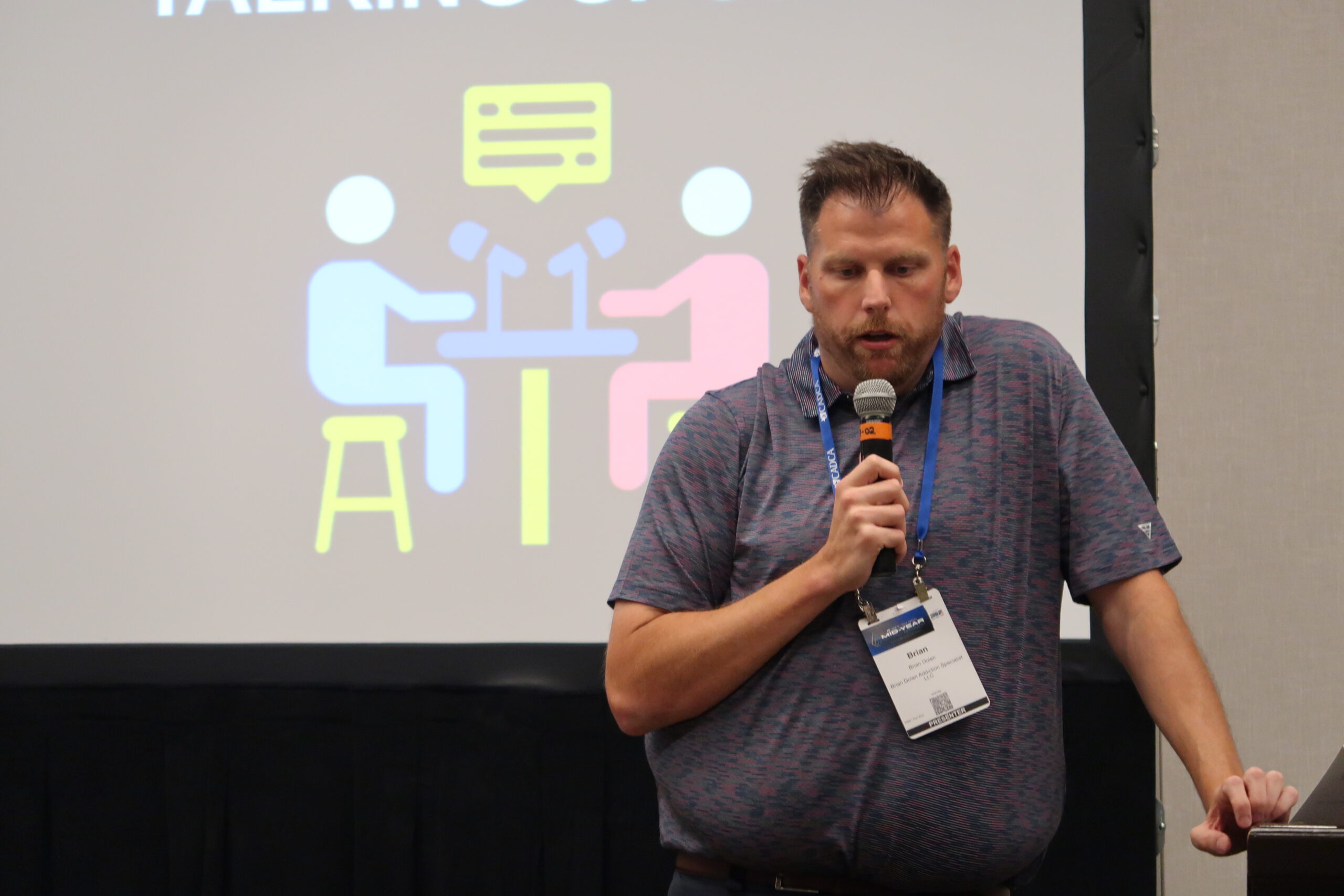
Dolan made it clear that the gambling world he knew in 2016 and the gambling world today are fundamentally different. Back then, you had to know somebody to gamble, and there were barriers to entry. Today, those barriers are gone.
In 2018, the federal ban on sports gambling was lifted, and each state could legalize it. Today, 39 states allow sports betting. Trading platforms like Kalshi skirt around regulations and operate in all 50 states. What used to require a phone call to a bookie now takes one app download. And aside from accessibility, the product itself has massively evolved.
When Dolan was gambling on football, he’d place a bet on a game and wait three hours for the result. Now, you can bet on whether a specific play will be a run or a pass, whether the ball will go to one receiver or another. The feedback loop is immediate. You can place dozens of bets during a single game. The near-miss phenomenon makes this even more dangerous. When you almost win (21 in blackjack vs the dealer’s 22), your brain lights up the same way it does when you actually win. That near-miss keeps you chasing.
Companies are spending enormous resources on user experience design and graphics specifically to hook people in. Sign-up bonuses, free money offers, and gamification of features all pull people deeper. The NFL sells its data to a third-party company that is partly owned by the NFL. That data goes to sports books to power real-time, live betting odds. The industry itself has created infrastructure for impulse betting.
Dolan has clients who are 20 years old with $200,000 in gambling accounts who have never made more than $10,000 to $20,000 in their entire lives.
Unfortunately, there is a large gap between gambling addiction recovery resources and substance use disorder recovery resources. Treatment for gambling addiction is minimal compared to treatment for substance misuse. There is almost no adolescent gambling treatment available.
Gambling has also become extremely normalized. Young people see gambling ads constantly. They see celebrity endorsements. They see it integrated into sports viewing. It doesn’t register as dangerous the same way that substance use does.
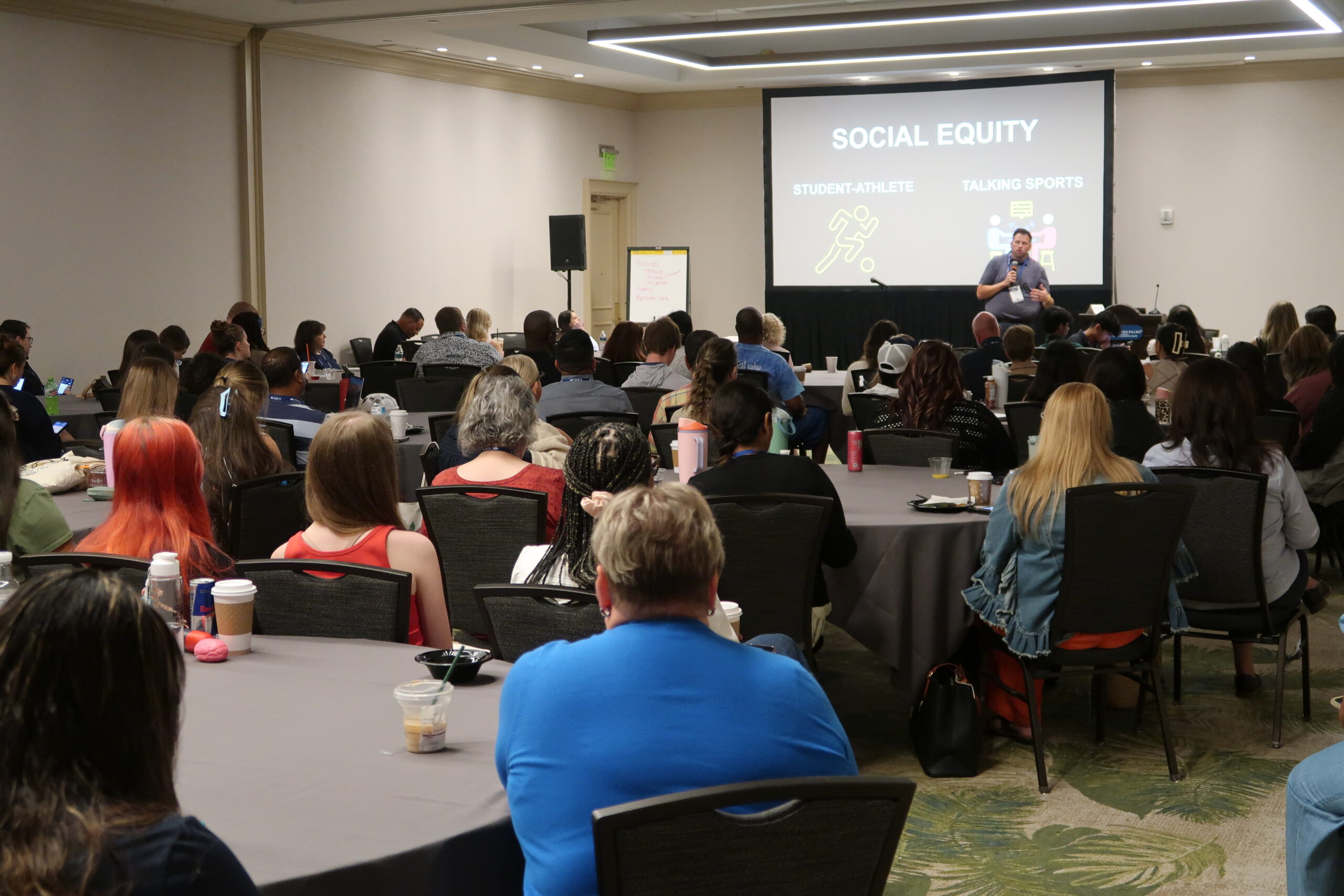
Dolan’s recommendations for action are concrete and actionable:
- Educate families about how different the gambling landscape is from what parents think they know. It’s not just a vice anymore. It’s everywhere.
- Connect with your state council on problem gambling. Most states have one. They’re working to chip away at advertising and regulation.
- Learn what mimics gambling in other contexts. Loot boxes in apps, for example, use the same mechanics.
- Look into training programs. The Massachusetts Council on Problem Gambling and Illinois Council on Problem Gambling both offer training. Dolan recommends the five-session training on problem gambling.
- Support the SAFE Bet Act, federal legislation that keeps getting pushed down but would provide critical safeguards.
- Highlight Colorado’s model. Colorado changed its policies around gambling advertising, including commercial restrictions. Other states can learn from that approach.
Gambling addiction is progressive. It doesn’t start with someone losing thousands of dollars they don’t have. And unlike substance use recovery, people in gambling recovery still need to have a relationship with money. They can’t quit their job or avoid paying bills. They have to learn to gamble responsibly or abstain entirely while still functioning in an economy built around financial transactions.

 English
 Spanish
 French
 Russian
 Portuguese