CADCA Connection
Welcome to CADCA Connection, the best way to hear about the latest from CADCA and the prevention field.
Taking Steps Towards a Tobacco-Free Future: Maryland Youth in...
We are thrilled to share the inspiring activities undertaken by the vibrant youth of Maryland as part of the Take Back Your 10 (TB10) youth movement, focusing on the prevention and control of commercial tobacco.
Taking Steps Towards a Tobacco-Free Future: Maryland Youth in Action!
We are thrilled to share the inspiring activities undertaken by the vibrant youth of Maryland as part of the Take Back Your 10 (TB10) youth movement, focusing on the prevention and control of commercial tobacco.
Spotlighting AADAC PHL: International Leadership Award Winner
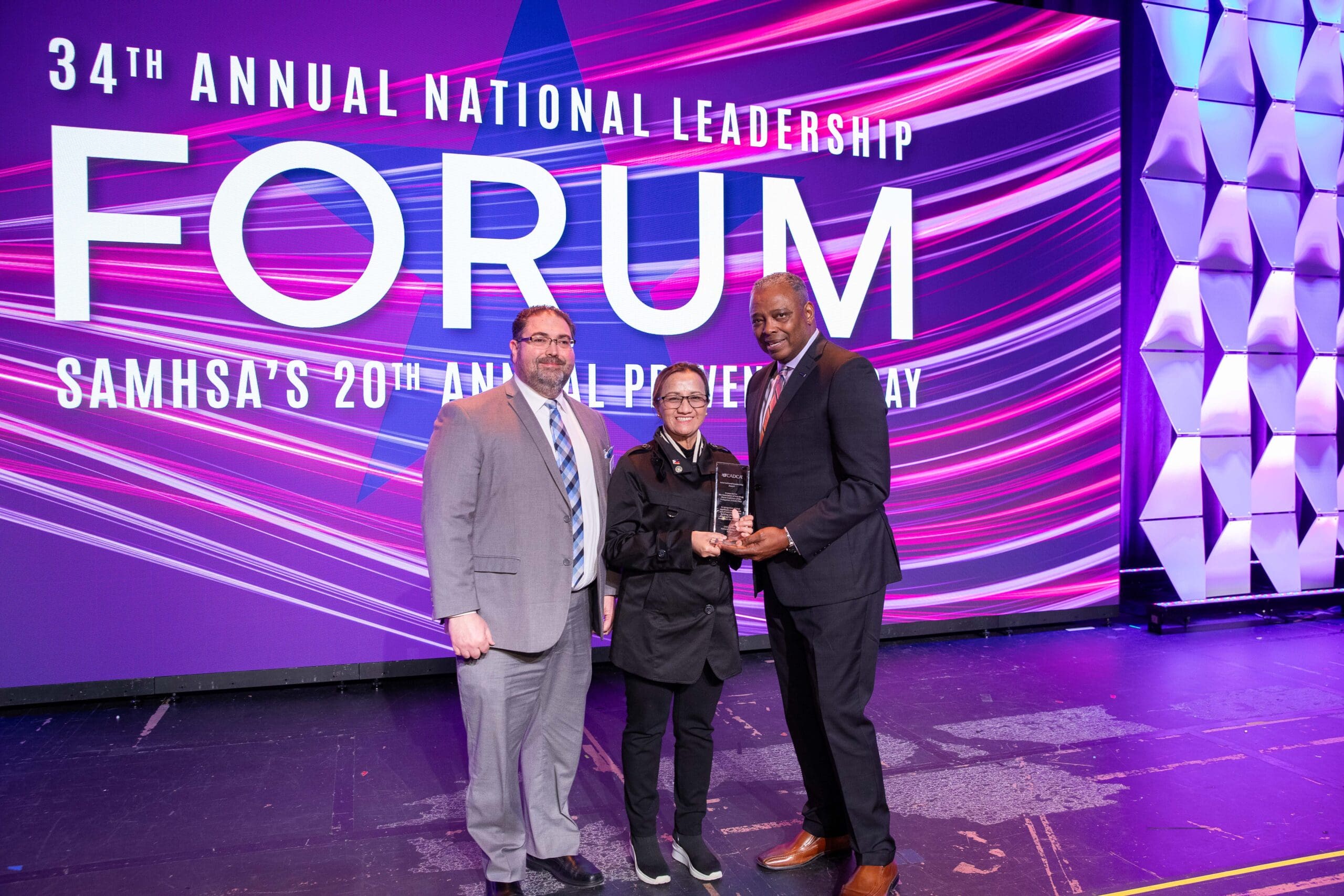
CADCA is proud to present the prestigious International Leadership Award to the Association of Anti-Drug Abuse Coalitions of the Philippines Inc. (AADAC PHL)
Drug-Free Communities (DFC) Case Studies and the Search for New CADCA Champions
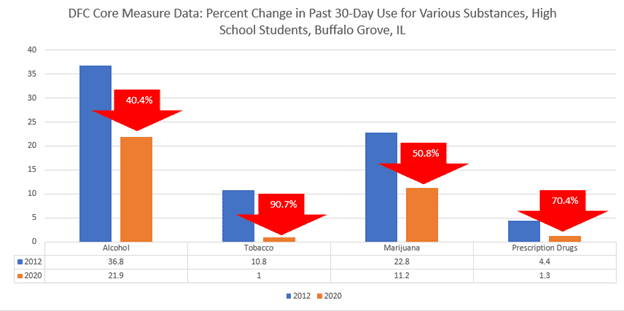
CADCA’s Public Policy (PP) team has developed case studies, which showcase coalitions that have exceptional outcome data.
CADCA News & Coalition Updates
Enter your email address to subscribe to our weekly newsletter and stay up to date on the latest CADCA happenings.
Become a Blue Ribbon Coalition: Applications Now Open!
The Blue Ribbon Coalition Initiative, driven by CADCA and the National Coalition Institute (NCI) with funding from the Office of National Drug Control Policy (ONDCP), is officially accepting applications for 2024!
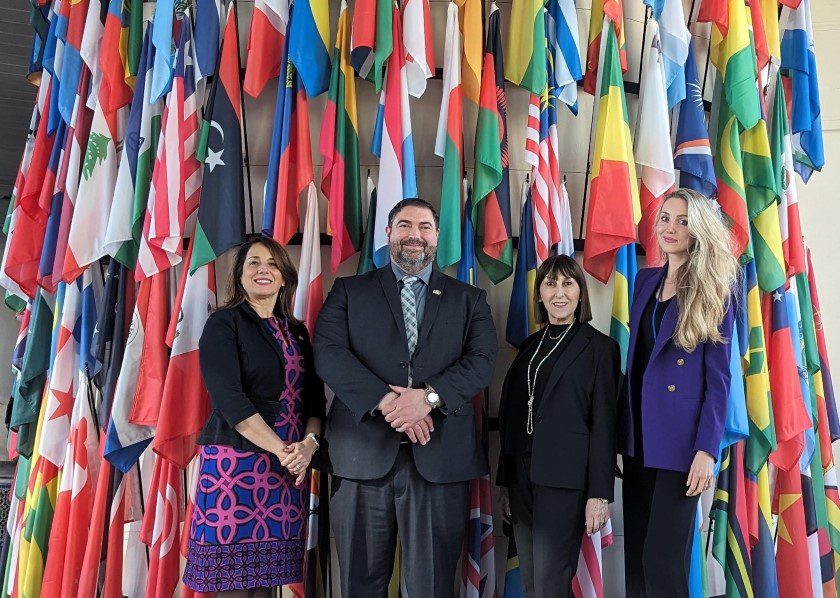
CADCA’s Active Participation at the 67th CND: Advancing Community-Based Prevention on the Global Stage
CADCA proudly announces its recent participation in the 67th Annual United Nations Commission on Narcotic Drugs (CND)

Understanding the Dynamics of Alcohol-Impaired Driving: A Rural-Urban Perspective
Alcohol-impaired driving remains a critical issue on American roads, posing risks to both urban and rural communities alike. Over the past decade, significant efforts have been made to mitigate this problem
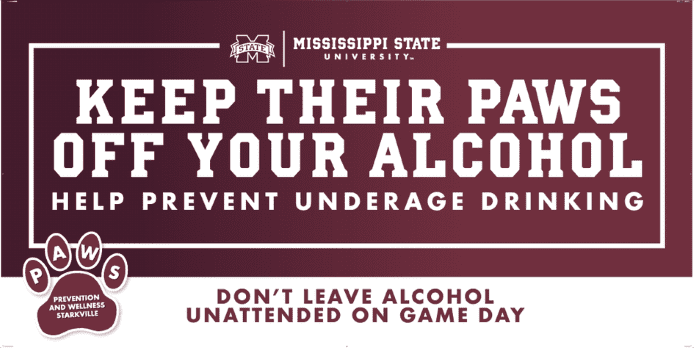
Empowering Communities: PAWS’ Journey to Positive Change in Starkville
Prevention and Wellness Starkville (PAWS), nestled in the college town surrounding Mississippi State University, has become a catalyst for positive change since becoming a Drug-Free Communities (DFC) coalition four years ago.
CADCA Advocates for Community-Based Prevention at the 67th Annual United Nations Commission on Narcotic Drugs Session
In a resolute commitment to combating substance misuse and fostering community well-being, CADCA proudly announces its active participation in the 67th Annual United Nations Commission on Narcotic Drugs.
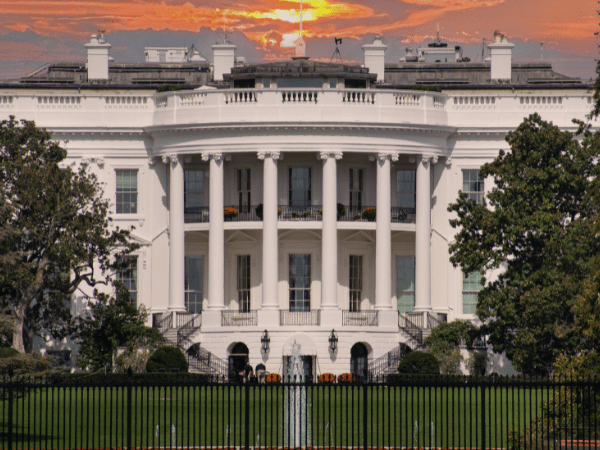
President Biden’s Fiscal Year (FY) 2025 Budget Request Released
On Monday, President Biden released his FY 2025 President’s Budget Request (PBR) to Congress. The PBR is the first step in the annual appropriations process and lays out the President’s budget priorities.

CADCA Takes Silver in Two TRENDY Awards
CADCA is thrilled to announce that it has been honored with two prestigious 2024 TRENDY Awards, recognizing excellence in communication among professional associations and trade groups nationwide.

CADCA Awards Retiring Senator Joe Manchin Prestigious Lifetime Achievement Award for His Dedication to Prevention Efforts in the Senate
Since his first term in 2010, Senator Joe Manchin has been a staunch advocate for substance use prevention, treatment, and recovery efforts, and a critical partner in advancing these priorities on Capitol Hill.

Emerging Drug Alerts – Tianeptine and Liquid Fentanyl
The substance use prevention field faces the introduction of two new dangerous products. Tianeptine and injectable liquid fentanyl have gained significant attention for their similarities to opioids. Here’s what you need to know:
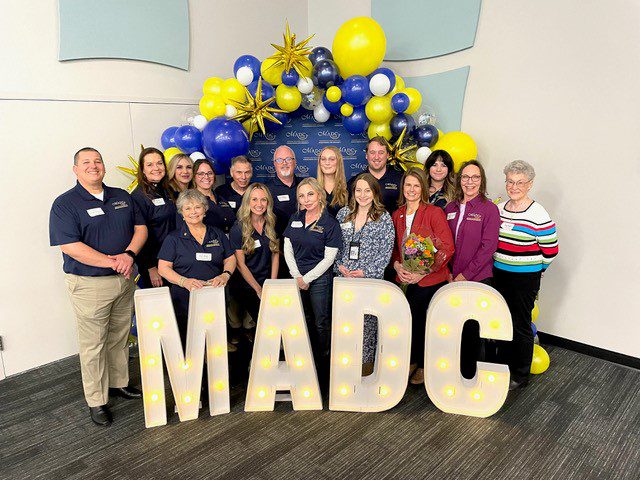
Meridian Anti-Drug Coalition Celebrates 20 Years of Prevention – Coalitions In Action
This January, the Meridian Anti-Drug Coalition (MADC) celebrated its 20th anniversary working to promote substance use prevention and create a safe and healthy environment for Meridian residents to live, work, and raise a family.
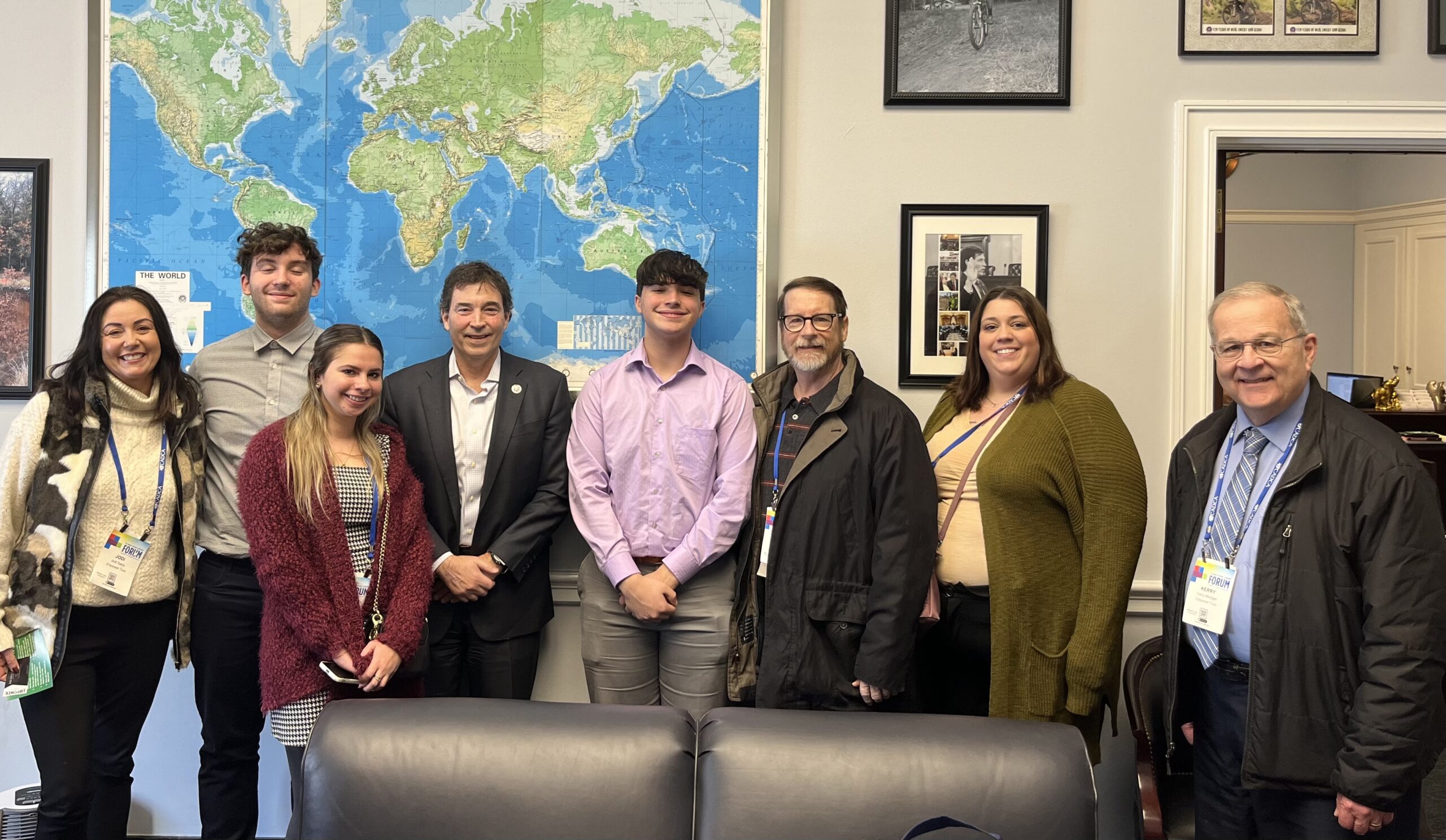
Capitol Hill Day: Creating Champions for Substance Use Prevention
Gaining new champions in Congress for substance use prevention is more important than ever. CADCA’s Capitol Hill Day is a critical part of these efforts and has directly resulted in new Congressional champions for substance use prevention every year.
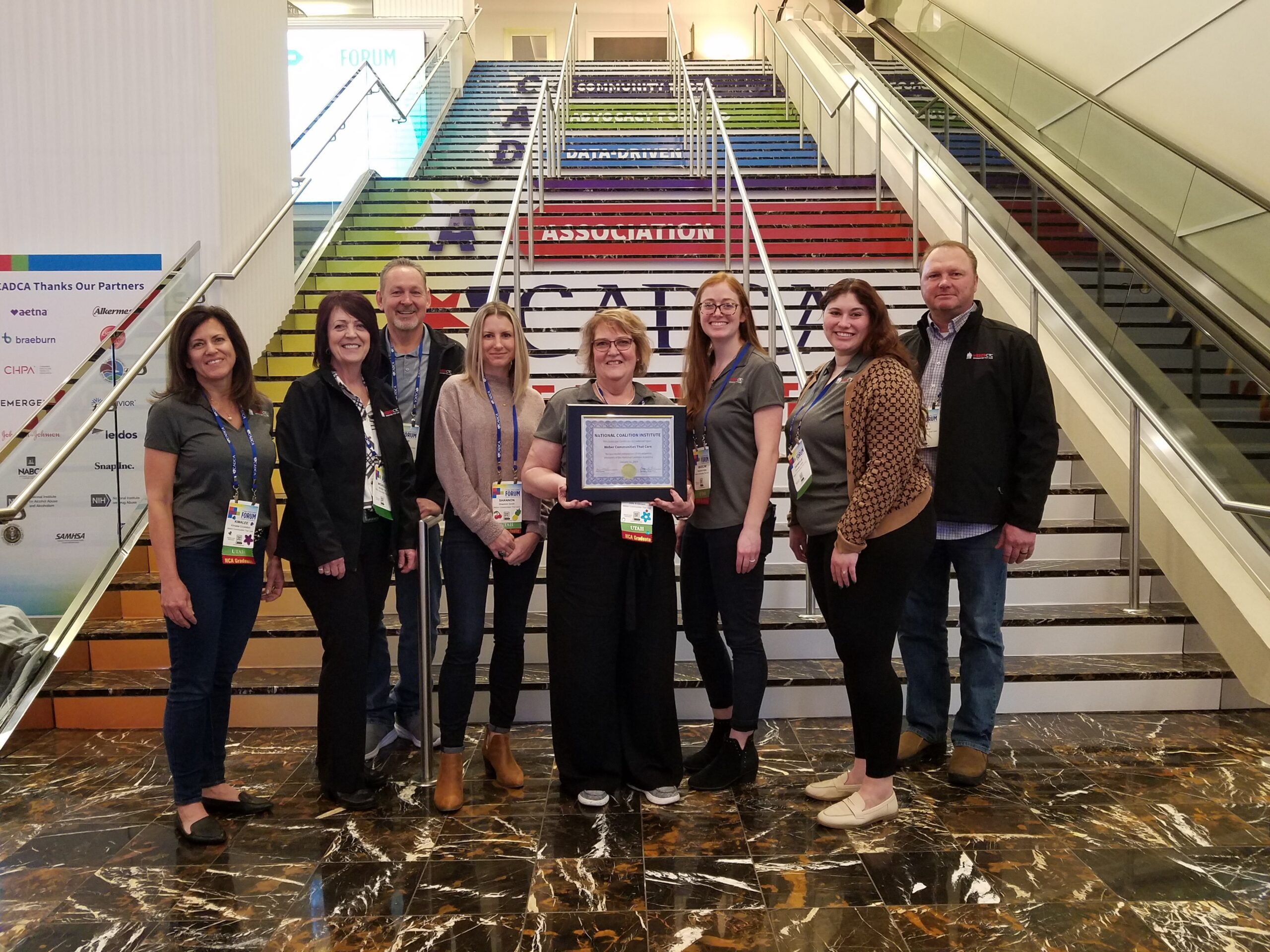
Coalitions in Action: Weber CTC’s Journey in Youth-Centric Substance Use Prevention
In the heart of Weber County, Utah, Weber Communities That Care (Weber CTC) coalition is making significant strides in strengthening its community through substance use prevention and mental health promotion.
Get involved. Let's improve prevention for
everyone globally– and build lasting impact.
500 Montgomery St 4th Floor, Alexandria, VA 22314 | 877-540-3302 | Privacy Policy | Donate
CADCA is a nonprofit organization that is committed to creating safe, healthy and drug-free communities globally.

CADCA is a 501(c)(3) under federal tax guidelines. Site Support.
Donations to CADCA are tax-deductible to the full extent allowable under the law.