
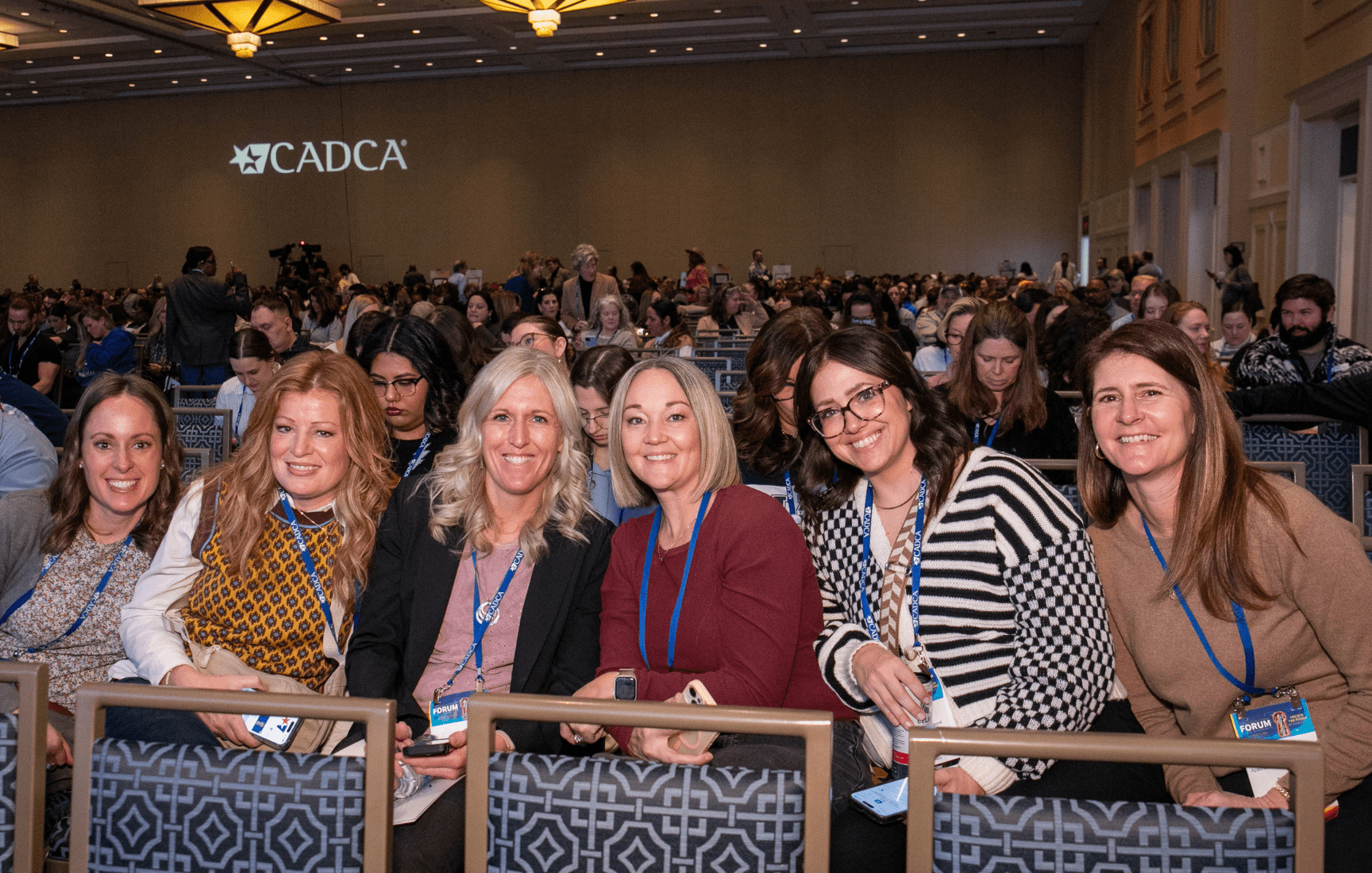
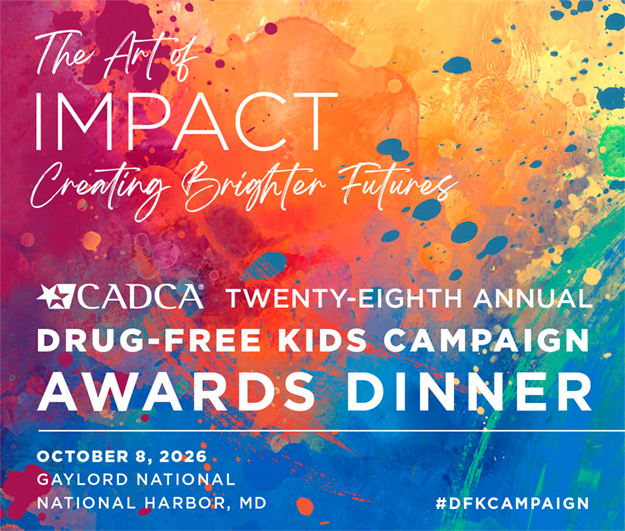
DEA to Convene Inaugural Fentanyl Free America Summit at CADCA’s 25th Annual Mid-Year Training Institute
Учить больше
Членство в CADCA
When you become a CADCA member, you join more than an association. You join a movement to build healthy, drug-free communities and empower youth to reject substance use and misuse so they can reach their full potential.
Who We Are
Founded in response to the devastating crack-cocaine epidemic of the 1980s, CADCA was born from a nationwide need to mobilize communities against rising drug use. In 1989, President George H.W. Bush established the President’s Drug Advisory Council to address the crisis, which led to the recommendation to form a nonprofit dedicated to coordinating prevention efforts. By 1992, CADCA was established to unite coalitions, share strategies, and drive community-level solutions. In 1997, CADCA played a pivotal role in securing the passage of the Drug-Free Communities (DFC) Act, the nation’s cornerstone program for preventing youth drug use.
CADCA represents over 7,000 community coalitions that involve individuals from key sectors including schools, law enforcement, youth, parents, healthcare, media, and others. We have members in every U.S. state and territory and more than 28 countries around the world.

Адвокаты
CADCA empowers members to advocate effectively for prevention within the complex landscape of public policy, ensuring their voices are heard amidst competing issues at all levels of government.
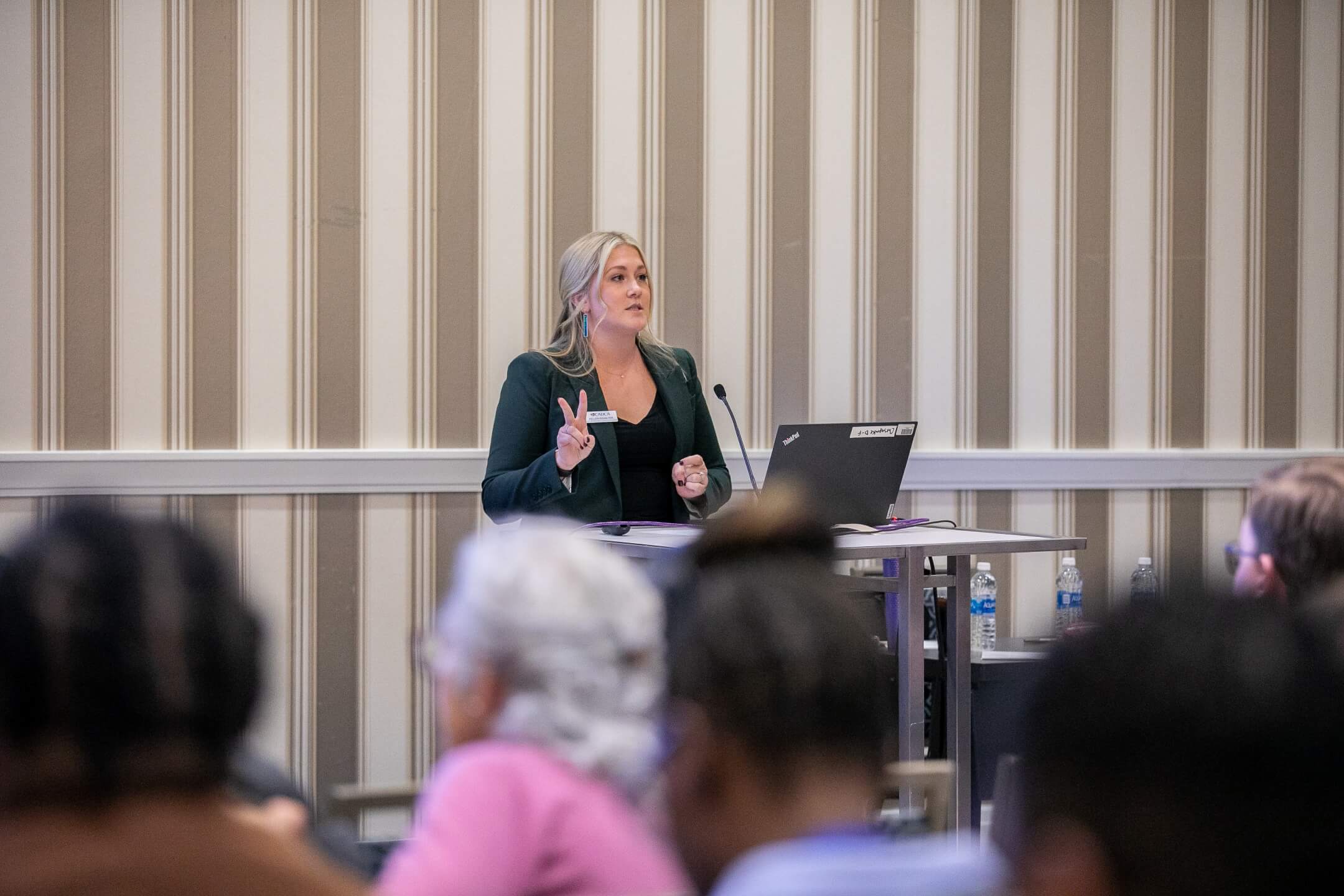
Повышение квалификации
Whether you’re starting, joining, or enhancing your prevention efforts, CADCA offers a wealth of resources and trainings to bolster the effectiveness and sustainability of your community initiatives.
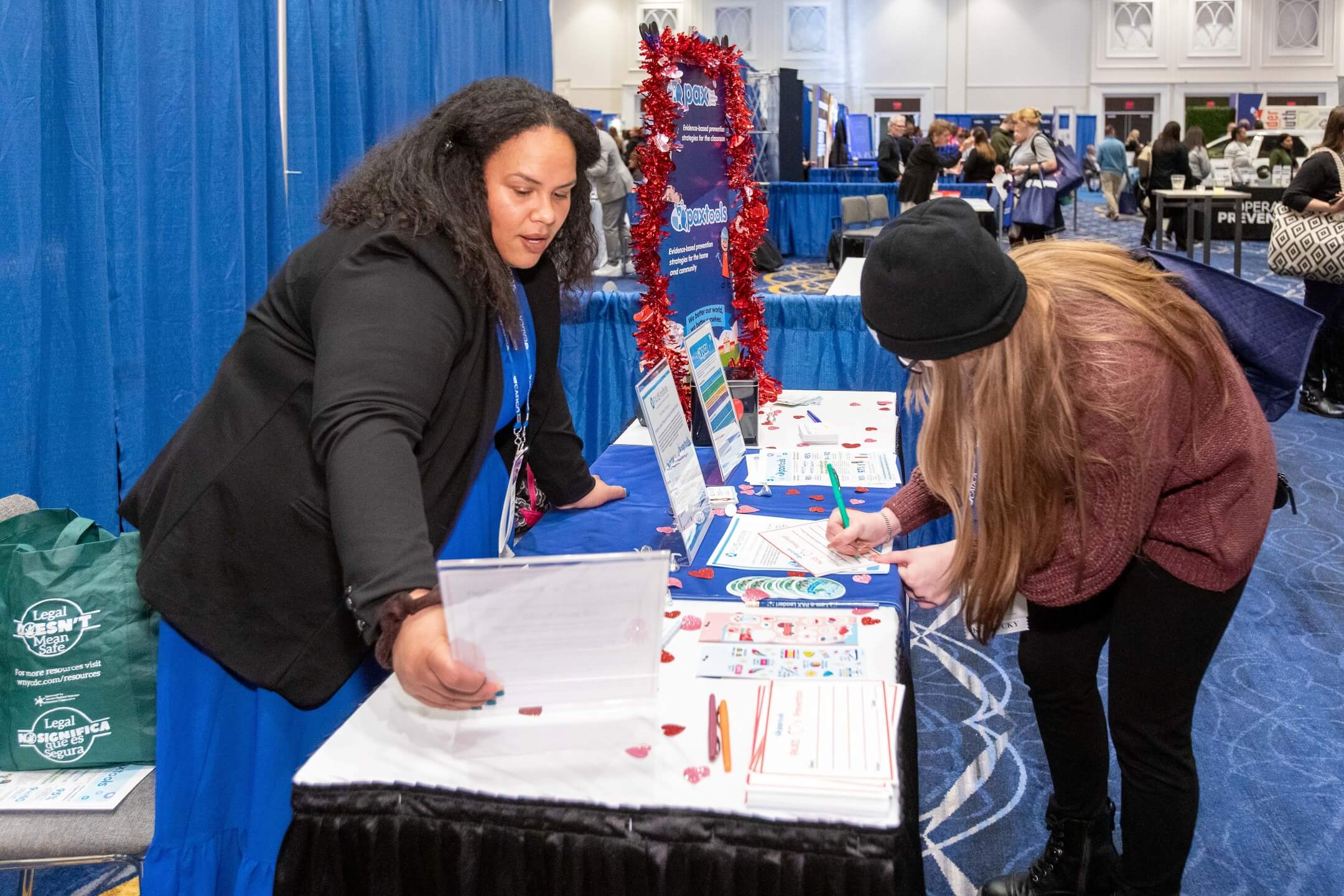
Поддерживать
Navigating the challenges of community prevention efforts can feel overwhelming. Join CADCA to connect with coalition members globally, share best practices, and receive personalized support tailored to your community’s needs.
Наше глобальное влияние
Предстоящие События
CADCA’s Values
Mission
CADCA equips coalitions with tools, knowledge, and support to create positive change in their communities
Vision
CADCA’s vision is safer, healthier, and stronger communities everywhere
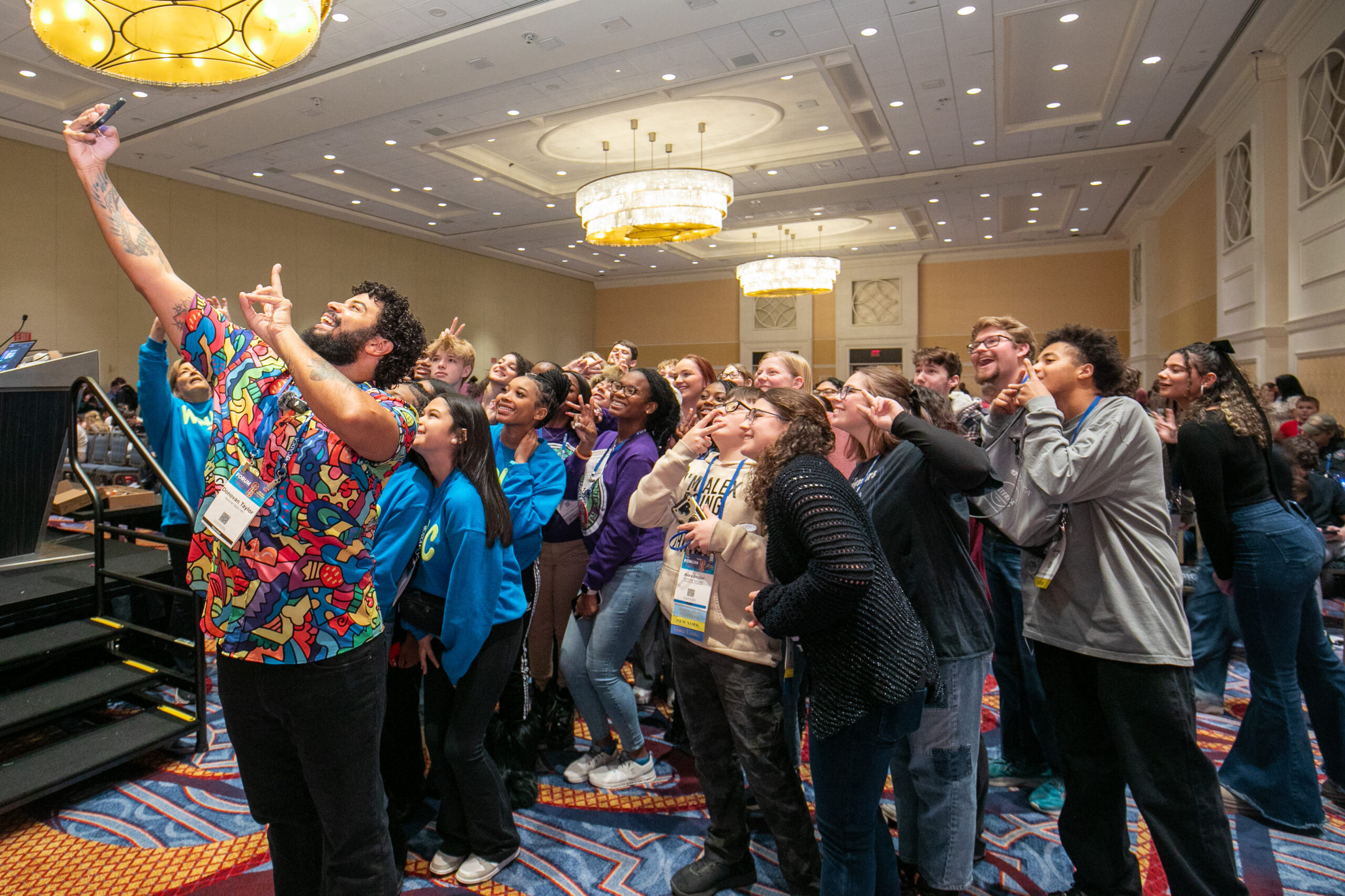
Помогите детям и семьям, пытающимся получить доступ к ресурсам по профилактике наркомании
Когда вы делаете не облагаемый налогом подарок CADCA, вы помогаете обучать, развивать навыки и способствовать созданию более здоровых сообществ для миллионов людей во всем мире.





Втягиваться. Улучшим профилактику
всем во всем мире – и добиваться долгосрочного результата.
500 Montgomery St, Suite 400, Alexandria, VA 22314 | 877-540-3302 | Политика конфиденциальности | Пожертвовать
CADCA — это некоммерческая организация, которая стремится создавать безопасные, здоровые и свободные от наркотиков сообщества во всем мире.

CADCA является 501 (c) (3) в соответствии с федеральными налоговыми правилами. Поддержка сайта.
Пожертвования в CADCA не облагаются налогом в полной мере, разрешенной законом.