How Arkansas Communities Are Tackling the Opioid Crisis

blogCoalizões em AçãoPrograms in ActionSaúde pública
How Arkansas Communities Are Tackling the Opioid Crisis
One program CADCA is proud to support is the Community Advocate Network, a city and county initiative under the Arkansas Opioid Recovery Partnership designed to connect Arkansas communities with the resources and partnerships needed to address the opioid crisis.
blogPrograms in Action
CADCA Partners with U.S. Army to Support New Prevention Leadership Training
Communities see the greatest impact when prevention is built into the systems that support them. That principle is at the heart of a partnership between the U.S. Army, the city of Alexandria, and CADCA, culminating in the launch of the Army Community Prevention Leadership Academy (CPLA).
Advocaciablog
Advocates Drive Bipartisan Support for Drug-Free Communities Funding
The FY 2027 appropriations process is now in high gear. On March 13, 68 members of the House of Representatives signed a bipartisan letter, led by Congressmen Brian Fitzpatrick (R-PA-1) and Paul Tonko (D-NY-14), to the House Appropriations Committee.
blogEventoSaúde pública
Tobacco Is Still a Public Health Issue
In her session, “Tobacco, Again? Why We Can’t Stop Caring About a Century-Old Problem,” Kristy Marynak of the CDC Foundation challenged CADCA National Leadership Forum attendees to look beyond the headlines around nicotine and tobacco products and focus on what the data continues to show.
blogSaúde públicaJuventude
Youth Tobacco Use and Targeting in the Retail Environment
Mango. Banana Taffy Freeze. Cool Mint. Berry Watermelon. Strawberry Cream. These sound like candy flavors you’d find in a checkout aisle, but they’re not. They’re nicotine products, sitting on shelves in convenience stores across the country. From disposable e-cigarettes to oral nicotine pouches, today’s tobacco and nicotine products are intentionally designed to appeal to youth.
blogSaúde pública
What Doesn’t Work in Prevention
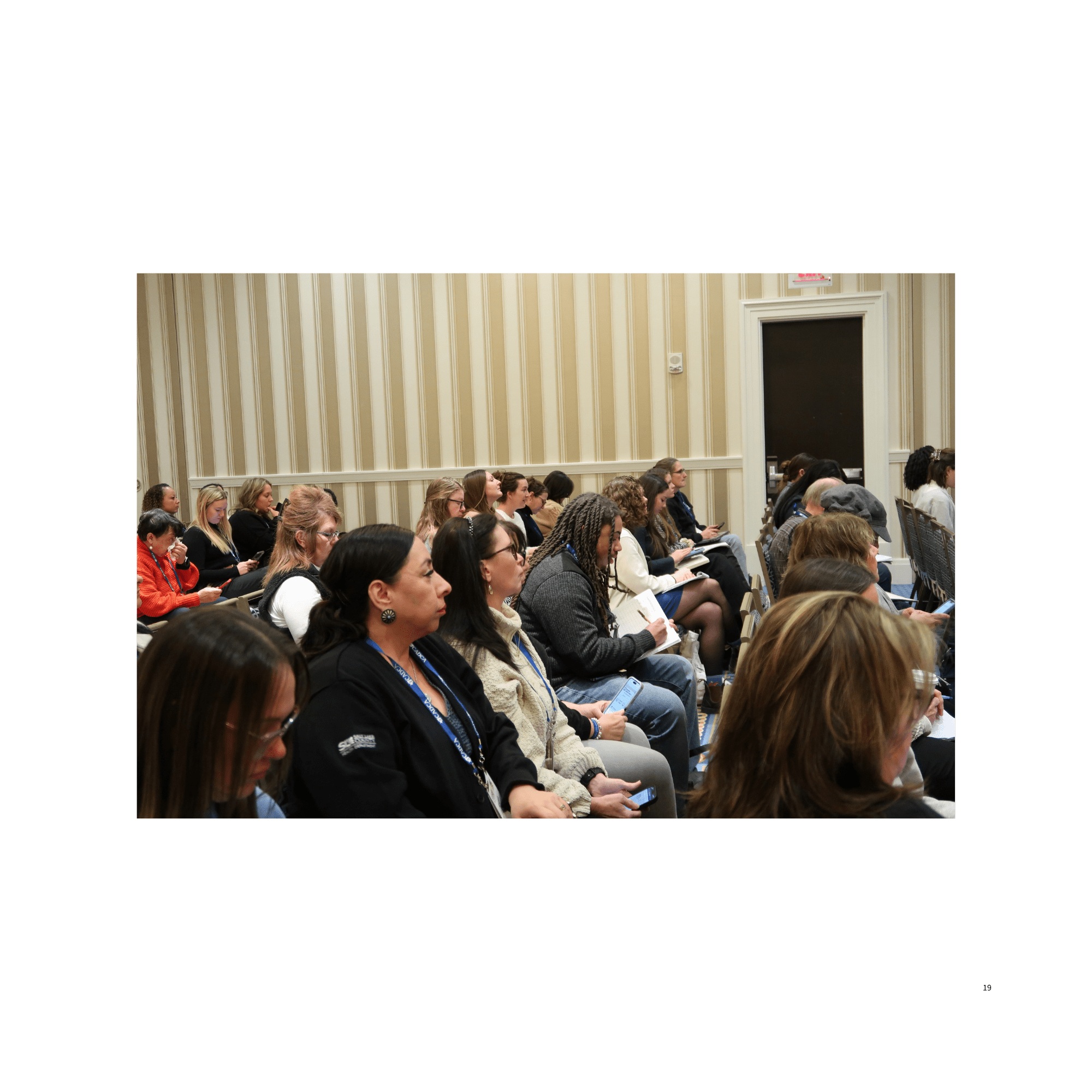
At CADCA’s National Leadership Forum, a training session titled, “SAMHSA Session: Beyond Good Intentions: What Doesn’t Work in Prevention” challenged attendees to rethink some of the most common prevention activities that many of us have relied on for years. Led by Kris Reed, MPH, CPS of the Great Lakes PTTC, the session revealed a tough truth: some well-intentioned prevention strategies can actually cause harm.
blogCoalizões em AçãoJuventude
Celebrating the Winners of the 2025 Dose of Prevention Challenge
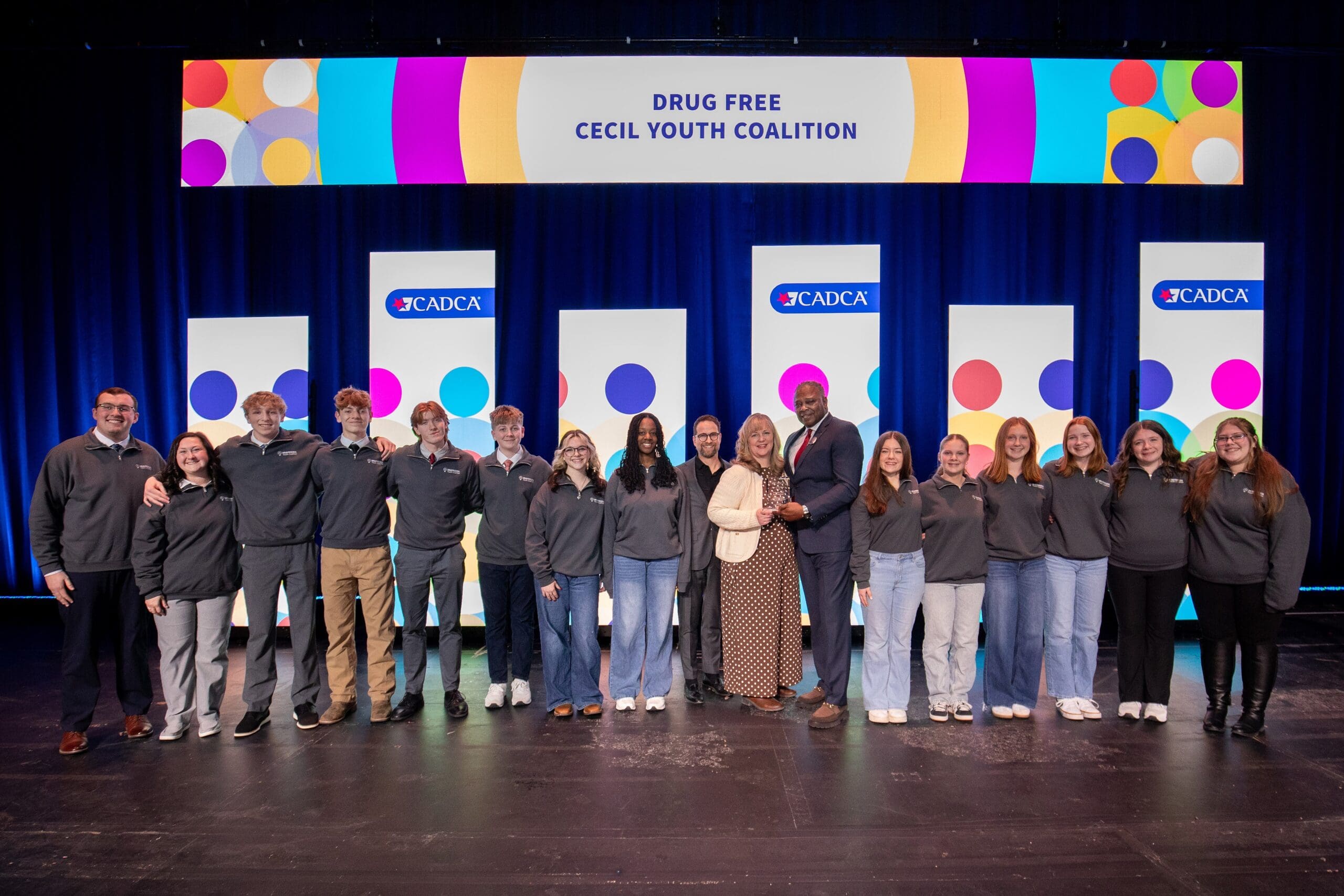
Every year, CADCA hosts the Dose of Prevention Challenge in partnership with the Consumer Healthcare Products Association’s Stop Medicine Abuse campaign. Held during National Medicine Abuse Awareness Month in October, the challenge encourages coalitions nationwide to educate their communities about the risks of over-the-counter (OTC) cough medicine misuse and prescription drug misuse.
blogSaúde pública
New Alerts Highlight Emerging Synthetic Opioid Risks
A new global health alert warns of emerging synthetic opioids known as benzimidazol-2-ones, or “orphines,” now appearing in U.S. and international drug markets. The Center for Forensic Science Research & Education and Colombo Plan stress that public health officials worldwide should be aware of this emerging threat.
blogEvento
Takeaways from CADCA’s 36th Annual National Leadership Forum
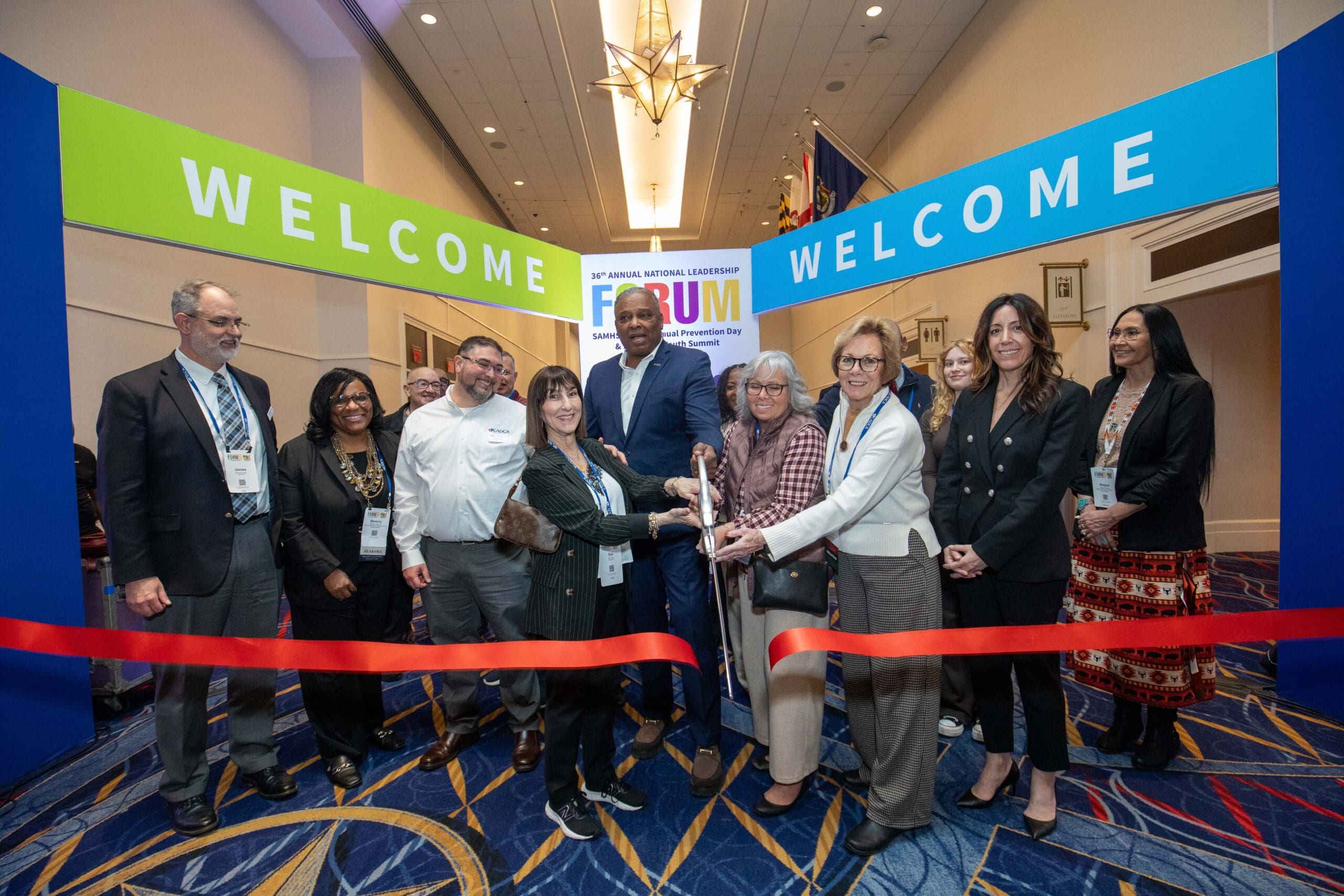
Between February 2-5, 2026, CADCA welcomed thousands of prevention leaders to the Washington, DC metropolitan area for its 36th Annual National Leadership Forum. The conference united coalition members, youth leaders, federal officials, and partners from across the country, including more than 400 youth attendees, for four days of training, advocacy, and networking.
blog
Drug-Free Communities Support Program NOFOs Now Open
The Drug-Free Communities (DFC) Support Program has released Notices of Funding Opportunity (NOFOs), with applications due February 12. Below is a quick breakdown of what’s currently available and what to expect next to help coalitions determine which NOFO applies to them.
Se envolver. Vamos melhorar a prevenção para
todos globalmente – e criar um impacto duradouro.
500 Montgomery St, Suite 400, Alexandria, VA 22314 | 877-540-3302 | Política de Privacidade | Doar
A CADCA é uma organização sem fins lucrativos que está comprometida em criar comunidades seguras, saudáveis e livres de drogas em todo o mundo.

CADCA é um 501(c)(3) de acordo com as diretrizes fiscais federais. Suporte do local.
As doações para o CADCA são dedutíveis de impostos em toda a extensão permitida pela lei.